
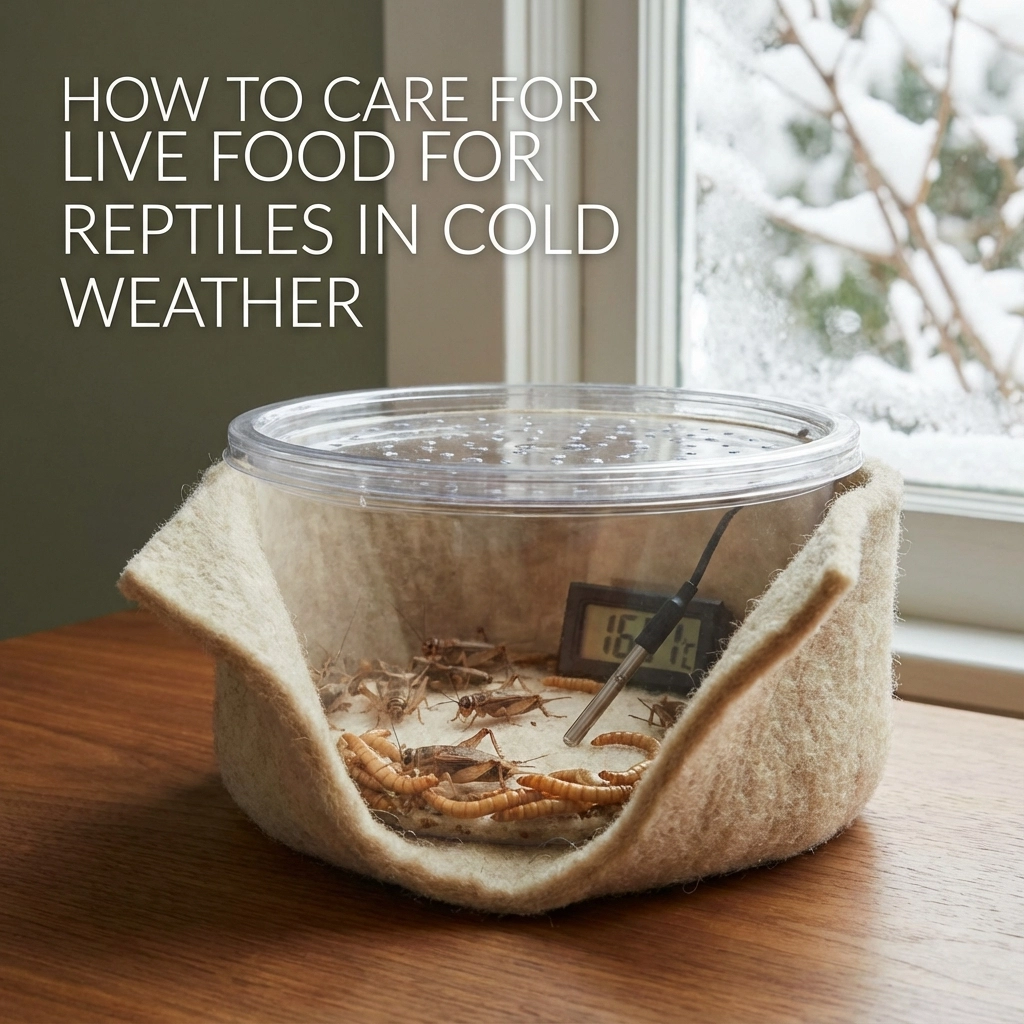
Winter can be tough on your reptiles, but it's equally challenging for their live food. Whether you're keeping crickets, locusts, mealworms, or other feeder insects, the cold weather can quickly turn your active prey into sluggish or seemingly lifeless creatures.
The good news? With proper care and handling, you can keep your live food healthy and active throughout the winter months. This guide covers everything you need to know about maintaining live food during cold weather.
Why Cold Weather Affects Live Food
Live feeder insects are cold-blooded creatures, meaning they cannot regulate their own body temperature like mammals do. When temperatures drop, their metabolism slows down dramatically, causing them to become dormant, sluggish, or appear completely lifeless.
This natural response to cold can be alarming for new reptile keepers who might think their live food has died during shipping or storage. In most cases, these insects are simply in a state of cold-induced dormancy and can recover with proper warming.

Understanding this biological response helps you make better decisions about handling and storing live food during winter months.
Immediate Handling When Live Food Arrives Cold
When your live food delivery arrives during cold weather, immediate action is essential. The insects may appear motionless or dead, but quick intervention can often revive them.
Unpack immediately upon arrival. Remove all outer packaging and any insulation materials. This allows fresh air to circulate around the containers and begins the warming process.
Spread out containers rather than keeping them stacked. This ensures each container gets adequate air circulation and warms evenly. Crowded containers take longer to reach proper temperatures.
Allow gradual warming at room temperature. This is the most critical step. Never rush the process by using direct heat sources.
What NOT to Do When Warming Live Food
Avoid these common mistakes that can kill your live food:
- Do not place containers on heat mats or heating pads
- Avoid putting them next to radiators or heating vents
- Never place them in direct sunlight or under heat lamps
- Do not put them in warm vivariums immediately
These rapid heating methods can shock the insects and cause immediate death. The key is patience and gradual temperature adjustment.
Proper Storage During Winter Months
Maintaining consistent temperatures during storage is crucial for keeping live food healthy throughout winter.
Create a dedicated storage area away from external walls and windows where temperatures fluctuate most. A central location in your home typically maintains more stable conditions.
Monitor storage temperatures regularly with a reliable thermometer. Small temperature swings are normal, but dramatic fluctuations stress the insects and reduce their lifespan.
Maintain proper ventilation even in cold weather. Live food still needs fresh air circulation to prevent moisture buildup and bacterial growth. However, avoid placing containers in drafty areas where cold air directly contacts them.

Use supplemental heating carefully if your storage area is too cold. Small heat mats placed under storage areas can provide gentle, consistent warmth without creating hot spots.
Temperature Requirements by Species
Different live food species have varying temperature needs. Understanding these requirements helps you provide optimal care.
Crickets thrive at 70-75°F and become sluggish below 65°F. They're among the most temperature-sensitive common feeder insects.
Mealworms are more cold-tolerant and can be stored at 45-50°F. They can even be refrigerated for short periods to slow their development.
Wax worms prefer slightly warmer conditions at 50-55°F. Store them in the butter compartment of your refrigerator or a similarly cool area.
Locusts need warmer temperatures around 75-80°F to remain active. They're particularly sensitive to cold and may take longer to recover from exposure.
Dubia roaches require consistent warmth at 75-85°F. They're tropical insects and cannot tolerate cold temperatures well.
Keep a chart of these requirements near your storage area for quick reference during winter months.
Reviving Sluggish Live Food
When live food becomes sluggish due to cold exposure, follow these steps to help them recover:
Gradual warming is essential. Place containers in a room-temperature area and allow 30-60 minutes for insects to slowly warm up.
Check for signs of life after warming. Look for slight movements, leg twitching, or antenna activity. Even minimal movement indicates the insects are viable.
Provide food and water once insects show activity. Offer appropriate foods like cricket food, fresh vegetables, or specialized feeds to help them regain strength.
Separate weak individuals from healthy ones to prevent spreading any stress-related issues. Weak insects should be used first or allowed more time to recover.

Winter Feeding Best Practices
Feeding live food to your reptiles during winter requires some adjustments to account for the insects' reduced activity levels.
Warm live food before feeding by keeping them at room temperature for at least 30 minutes. This ensures they're active enough to stimulate your reptile's hunting instincts.
Use feeding immediately rather than storing warmed insects. Once insects are brought to optimal temperatures, they should be fed to your reptiles within a few hours.
Observe feeding behavior closely during winter months. Cold-stressed live food may move more slowly, potentially reducing your reptile's interest in eating.
Have backup options available. Keep some frozen-thawed prey or prepared foods on hand in case live food doesn't recover properly from cold exposure.
Preventing Cold Damage During Transport
If you're purchasing live food from Surrey Reptile Centre during winter, consider these prevention strategies:
Plan pickup times during warmer parts of the day when possible. Midday temperatures are typically more favorable than early morning or evening.
Bring insulation for transport. Simple materials like towels or newspaper can help maintain temperatures during short car journeys.
Minimize transport time by planning efficient routes and avoiding unnecessary stops.
Long-term Winter Storage Solutions
For reptile keepers who buy live food in bulk, long-term winter storage requires additional considerations.
Invest in climate control for dedicated storage areas. Small space heaters with thermostats can maintain consistent temperatures economically.
Rotate stock regularly to ensure older insects are used first. Cold stress can reduce lifespan even after insects recover.
Monitor food consumption as cold-stressed insects may eat less, requiring adjusted feeding schedules.
Maintain detailed records of temperature fluctuations and insect mortality to identify patterns and improve your storage methods.

Signs Your Live Food Is Recovering
Recognizing positive signs helps you determine when live food is ready for feeding:
Increased movement is the most obvious indicator. Insects will gradually become more active as they warm.
Normal feeding behavior returns as insects begin eating their provided foods again.
Proper coloration returns as circulation improves with warming temperatures.
Responsive behavior to disturbances indicates the insects are alert and healthy.
When to Discard Live Food
Sometimes cold damage is too severe for recovery:
No movement after 2 hours of gradual warming usually indicates the insects won't recover.
Bad odors suggest bacterial growth or death has occurred.
Visible mold on insects or in containers indicates the environment became too moist during cold storage.
Unusual coloration like black or very dark areas often signals tissue damage from freezing.
Conclusion
Caring for live food during cold weather requires attention to detail and patience, but it's entirely manageable with the right approach. Remember that gradual warming is always better than rushing the process, and maintaining consistent storage temperatures prevents most cold-related problems.
Visit our shop for quality live food and storage solutions that make winter care easier. If you have questions about keeping live food healthy during cold weather, our experienced team is always happy to help.
What challenges have you faced with live food during winter? Share your experiences in the comments below.


